
GAC AION S PLUS / BATTERY-ELECTRIC SEDAN
New & used
AION S Plus prices.
An electric sedan needs a complete plan: the battery you are buying, the charging you can use and the condition you can verify. Start with a clear vehicle request.
NEW AION S PLUSAsk for a separate new-car quotation ↗Confirm the actual car, installed battery, equipment and agreed services.
Discuss a suitable used S Plus ↗Used reference published 2 November 2026. Final price, availability and scope need a vehicle-specific quotation. New cars are quoted separately. Freight, insurance, taxes and destination charges require their own confirmation.
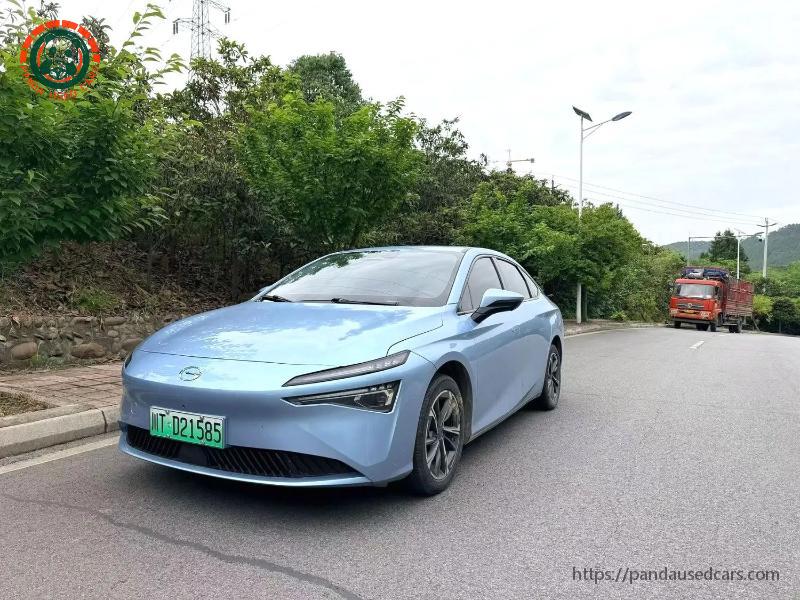
THE S PLUS / YOUR EVERYDAY USE
Choose the electric sedan around your actual journeys.
The GAC AION S Plus is a battery-electric sedan. Start with the people, luggage and regular journeys it must accommodate, then identify a suitable car and a workable way to replenish its battery.
The right model and a realistic routine
Confirm AION S Plus on the vehicle records rather than accepting AION S, S Max or another AION model as an automatic substitute. Similar names and badges do not establish matching bodywork, batteries, charging equipment or documents. A different model needs its own specification, condition evidence and quotation.
Describe the daily commute, longest recurring trip, passenger load and where the car will park. Include motorway use, hills, weather and heating or air conditioning. Keep a reserve for diversions and uncertain charging availability. Match the plan to the offered car's evidence rather than making an advertised range the distance every used example must cover.
Check parking-space and garage access with the selected car, including room to open doors and load luggage. If several people will drive it, agree seat, key and charging arrangements. Those details turn a model preference into practical requirements.
A cabin that meets the brief
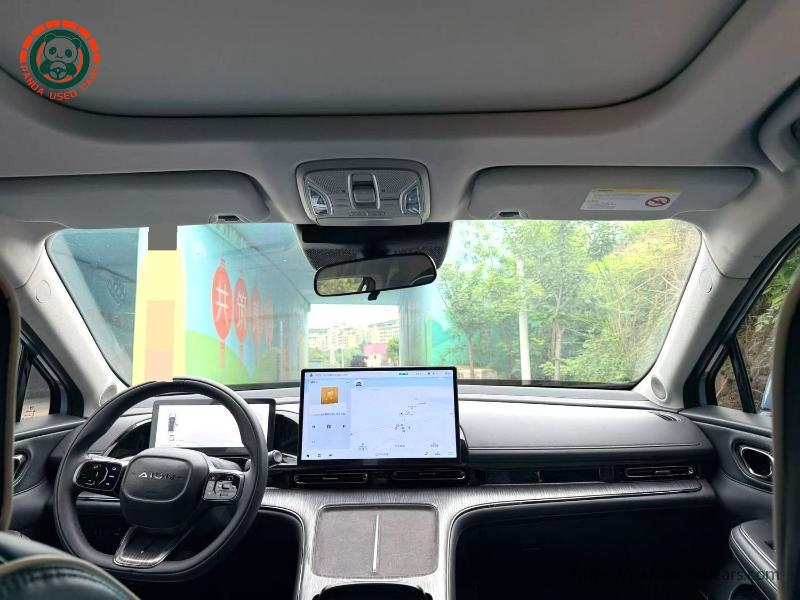
Request current photographs of the front seats, rear seats and luggage area. Check access, adjustment, belts, child-restraint information and the boot opening against your requirements. Where a pushchair, suitcase set or work item must fit, ask for relevant measurements with the seats positioned for travel. Exterior dimensions alone do not settle a loading question.
List the comfort and convenience functions you require. Demonstrate climate control, windows, locks, mirrors, lights, screens, parking equipment and every supplied key. Confirm any roof, seat or assistance feature as fitted equipment. Compare the version record with the condition findings before treating an attractive cabin photograph as proof that the car meets your needs.
VERSION / BATTERY / SOFTWARE
Turn a grade name into a consistent vehicle record.
The S Plus name identifies the model family. Its production information, installed hardware and supporting records establish the specification you are considering. A grade number is not a substitute for a battery-capacity figure.
Reconcile the identification and hardware
Request the VIN, identification labels, production information, registration status and current photographs. Match the proposed grade with the installed traction battery, drive hardware, charging equipment and accessories. Ask which components are original, repaired, replaced or added later. Resolve inconsistent listing fields before comparing prices or accepting a substitution.
Ask about previous use and the available ownership and service history. Private, business or commercial-use descriptions need supporting records. Compare registration status with the intended import and ownership route; a change of keeper does not itself settle every eligibility or warranty question.
Keep battery capacity in kWh separate from a grade label, advertised range and present battery health. Chemistry, supplier, usable energy and charging limits need their own evidence. A current brochure or another S Plus specification cannot establish an earlier car's equipment. The US$7,500–10,000 reference concerns used sourcing; new cars need separate specification, registration and availability confirmation and their own price.
Verify the functions that follow the next owner
Check installed software, screen language, phone pairing and essential offline operation with the supplied keys. Clarify account transfer, navigation, connected services, subscriptions and updates for the destination and next owner. A working screen in China does not establish that every online function will remain available abroad. Put essential functions in your enquiry.
Record the actual assistance package, sensors and operating limits. A camera or exterior sensor does not establish enabled functions or correct calibration after a repair. Driver assistance still requires attentive supervision. A software update should not be assumed to add missing hardware. Agree how any proposed equipment change will be described and approved, and connect those requirements with local support arrangements.
BATTERY CONDITION / RANGE EVIDENCE
Keep the battery record and range claim separate.
A nominal battery rating, dashboard charge level, health estimate and measured journey answer different questions. Ask what the evidence establishes about the selected S Plus, and what still needs testing.
A battery assessment tied to the car
Match battery identification and any repair or replacement paperwork to the proposed vehicle. Ask for a dated diagnostic report with its method, accessible data, test conditions and limitations. Review recorded warnings and relevant faults before they are cleared. An unexplained percentage or a full-charge dashboard photograph is not a certificate of usable energy or remaining life.
Include battery enclosure, underbody, mounting areas, cooling observations and visible signs of impact, corrosion or water exposure in the inspection scope. Trained personnel should handle high-voltage work and interpret relevant electrical or insulation findings. Assess the low-voltage battery separately. Agree how unresolved concerns, further tests and any proposed repair will be addressed in the accepted offer.
Discuss any known storage period, charging issue or battery-related work with the inspector. Request supporting records rather than inferring good condition from low displayed mileage. Identify what can be tested before purchase and what remains uncertain, then keep that uncertainty visible in the decision.
Compare range on the same basis
Retain the named test cycle and matching version when discussing a published range. CLTC, NEDC, a dashboard estimate and a measured route are different evidence. Temperature, speed, load, tyres, heating, cooling and the present battery condition affect real use. A short demonstration establishes neither a full usable-capacity result nor a guaranteed daily distance.
For a route demonstration, record starting and ending charge, distance, conditions and significant stops or charging. Replenishment losses mean energy billed by a charger can differ from energy shown by the car. Include local electricity, parking and station fees when considering operating costs. The purchase worksheet adds quoted buying costs; it does not predict future energy savings or battery-replacement timing.
CHARGING / YOUR DESTINATION
Build a charging arrangement the actual car can use.
A workable electric-car purchase needs more than a nearby charging point. Identify the offered S Plus's interfaces and documented capability, then check the intended equipment, installation and network at the destination.
The inlet, supply and operating requirements
Request clear inlet photographs, labels and matching specification information. For a China-market GB/T configuration, assess that exact car against the proposed charger and local supply. Confirm required AC and DC functions separately. Physical plug fit does not prove electrical or communication compatibility; an adapter is not a universal solution.
A qualified installer should assess voltage, frequency, phase, current limits, earthing, protection and installation requirements. The vehicle's charging limits matter alongside a station's advertised output. Check any account, payment, network or regional-service dependency. Identify which cables, portable equipment and accessories are included, which are suitable locally and which need to be obtained separately.
A demonstration with useful evidence
Ask for a charging test tied to the selected car and required mode. Record the charger, starting charge level, relevant temperatures, observed operation and any warning. Demonstrate connecting, starting, stopping and unlocking a session. A successful AC session does not establish DC operation; a short charging video does not establish peak power, a full charging curve or present usable battery energy.
Check inlet condition, latches, seals and supplied cables. Describe home, workplace, depot or public-station use in your request, including any function you consider essential. Confirm additional equipment and installation costs before treating the vehicle price as a complete operating setup. Align the charging plan with destination requirements and the written quotation scope.
For a regular public-charging routine, check access hours, parking limits and an alternative site if the first charger is occupied or unavailable. Include the time available to charge with the energy requirement. A station appearing on a map is not confirmation that your car can start a session there.
THE DETAILS BEHIND THE DECISION
Look inside.
Confirm what is included.
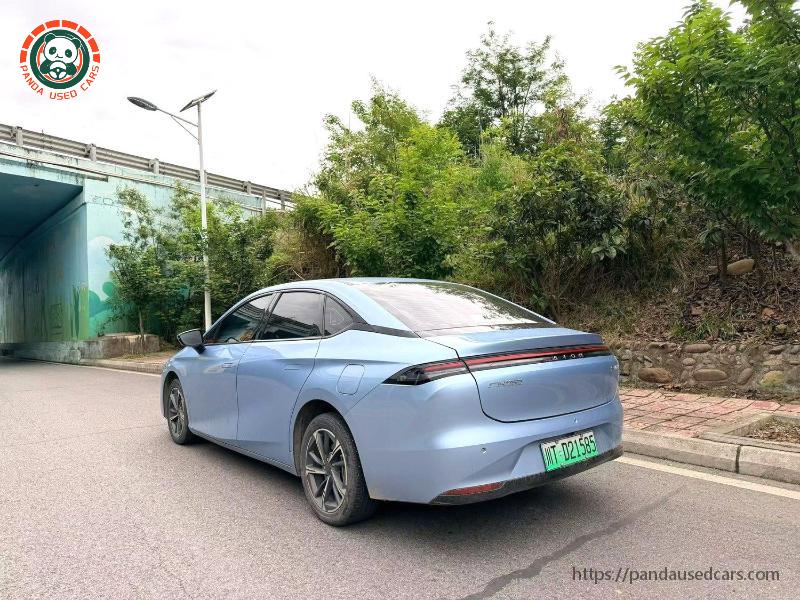
Reference views help you describe the equipment and space you need. The proposed car requires its own current photographs and working-feature checks.
THE CONDITION RECORD
Turn the inspection into a usable decision.
A used AION S Plus needs evidence tied to the car being offered. Establish what was examined, what operated correctly and which questions still need an answer.
Start underneath, then connect the records.
Match the VIN, identification labels and battery information to current photographs and available history. Review structural areas, previous panel work, underbody damage, corrosion and signs of water exposure. Ask a suitably qualified inspector to examine the traction-battery enclosure, its mounting areas and nearby wiring. An inaccessible area should remain an identified limitation rather than becoming an assumed clean result.
Reconcile displayed mileage with service records, available earlier entries and interior wear. If the battery or another major component has been replaced, request the identification and supporting paperwork. For several cars, retain a separate accepted specification and condition file for each VIN.
Connect diagnostics with an operating test.
Request relevant battery, charging and drive-system diagnostic findings, including the tool, date and test conditions. Ask whether fault records were available before clearing. Investigate insulation-related faults, cooling concerns or warnings through trained high-voltage personnel and matching service information. Assess the low-voltage battery separately from the traction battery.
Include a road test and the agreed charging demonstration. Record unusual noise, vibration, warning indicators or charging interruptions. Operate brakes, steering, climate control, windows, locks, screens and supplied keys, plus the assistance equipment actually fitted. A short drive or dashboard charge reading cannot establish full usable battery energy. Agree required preparation, acceptance criteria and how completed repairs will be checked.
For a remote purchase, agree who may inspect independently, how findings will be shared and what happens if a material difference appears before shipment. Retain the accepted report and photographs rather than relying on a listing that may later change.
SERVICE AFTER ARRIVAL
Know how the car will be supported locally.
The ownership plan should cover diagnosis, parts and the functions you need at your destination. A familiar model name does not establish local support for every production version.
Give the workshop a specific vehicle file.
Share the VIN, installed battery details, charging configuration and inspection findings with the receiving workshop. Confirm appropriate diagnostic access, high-voltage competence and the service information it can obtain. Follow the selected car's schedule and fluid specifications when planning cooling, braking, reduction-drive and other maintenance. Low displayed mileage does not establish that time-based work is complete.
Identify parts by VIN and part number. Ask who can install, program or calibrate a replacement, particularly for charging components, electronic modules and assistance sensors. A part price without diagnosis, labour and required programming is an incomplete repair allowance. Build the first-service budget from records and unresolved findings.
Check practical access and written cover.
Review the software and equipment record with the proposed service provider. Confirm support for the required language, connectivity, accounts, keys and regional functions. Establish what remains usable if a connected service is unavailable. Check applicable VIN-specific campaigns and request completion evidence where relevant.
Obtain any proposed warranty from the named provider in writing. Confirm its territory, transfer conditions, exclusions, claims procedure and permitted repair locations. Manufacturer terms, seller cover and independent service arrangements require separate assessment; an export shipment does not establish entitlement to domestic benefits.
PRICE AND PURCHASE SCOPE
Make US$7,500–10,000 a useful starting point.
This is the China-market used AION S Plus sourcing reference. The selected car, its condition and the agreed services determine the individual quotation.
Compare the evidence alongside the amount.
Check the exact version, installed battery, equipment, history and required preparation. A cheaper proposal may involve different hardware, repairs, missing accessories or less complete evidence. Compare the battery record and operating findings before treating two headline amounts as equivalent.
New-car sourcing requires separate pricing after specification, production and registration status, and availability are confirmed. Ask whether the requested new specification can actually be sourced. Put your priorities and acceptable compromises in the enquiry.
Put the included services in writing.
Ask whether inspection, preparation, inland transport and export handling are included. Freight, insurance, duties, taxes, port charges, clearance and registration need separate confirmation. The reference range establishes neither stock availability nor an Incoterm or delivered price.
Check quotation date, validity, currency, payment stages and the acceptance process. Allocate shared shipment charges consistently across vehicles and avoid counting an included service twice. The cost worksheet organises quoted amounts; it cannot supply missing freight or tax figures.
For a multi-car order, identify which specification differences are acceptable and whether the quoted amount applies to each vehicle. Keep substitutions, missing accessories and additional preparation visible in the revised offer before approval.
THE DESTINATION AND HANDOVER
Check the receiving route before booking.
Import suitability, compatible charging and transport acceptance are separate questions. Bring them together around the exact AION S Plus you intend to buy.
Ask your destination broker about this car.
Provide vehicle identity, production and registration information, powertrain details and intended use to a qualified destination broker. Confirm applicable age, steering position, conformity, inspections, documentation and registration requirements. An export arrangement in China does not itself establish permission to register the car abroad.
Review local charging compatibility and workshop support at the same time. Agree the invoice, vehicle records, export/customs and transport paperwork with the relevant providers. Confirm translations or certificates with the broker. Recheck suitability if a substitute vehicle changes the accepted specification or documents.
Define the vehicle's condition at each transfer.
Carrier acceptance and preparation must address the selected electric vehicle's battery and physical condition. Ask about charge-level instructions and any restrictions affecting damage, faults or battery concerns. Do not assume that a faulty vehicle can travel under the normal arrangement. Treat dates as provisional until the relevant booking is confirmed.
Record who arranges preparation, export handling, freight, insurance and clearance. Where a delivery term is used, name the place and responsibilities. Photograph condition, keys, cables and accessories before loading. Agree insurance scope, arrival inspection, collection and how damage or missing items must be reported.
Confirm the receiving contact, collection window and how any charging or unloading requirement will be handled. Keep the handover record consistent with the inspection file so a damage report can identify the same car and accessories.
QUICK ANSWERS
Before your AION S Plus enquiry.
Start with the decisions that affect the car, its quotation and everyday use.
Is US$7,500–10,000 a new-car price?
No. It is the used AION S Plus reference. New vehicles require a separate quotation after exact specification, production and registration status, availability and service scope are confirmed.
Does the reference include shipping?
It does not establish a delivered offer. Ask for an itemised quotation separating the vehicle and included services from freight, insurance and destination charges.
Does a range badge establish battery capacity?
No. Reconcile the version information with the installed battery and the stated test cycle. A grade name, dashboard estimate and usable-energy measurement answer different questions.
Will it work with my local chargers?
Confirm the actual interfaces, charging functions, power supply and network compatibility. Request the intended-mode demonstration with suitable equipment rather than relying on a plug photograph or a universal-adapter claim.
Can I assume the domestic warranty follows the car?
Obtain written terms for the actual vehicle, next owner and destination. Identify the provider, territory, transfer conditions, exclusions and claim procedure before including cover in your decision.
What information should I send?
Share destination, quantity, new or used preference, budget, acceptable year and mileage, essential battery or equipment requirements and delivery scope. Include an email address or WhatsApp number for a reply.
YOUR AION S PLUS REQUEST
Define the car.
Plan what comes next.
Start with the destination, budget and equipment you need. Panda can discuss new or used S Plus sourcing, the individual vehicle and a quotation with clearly agreed services.
YOUR PER-VEHICLE COST PLAN
Bring the costs into view.
Use quoted amounts on a one-vehicle basis. Allocate shared shipment costs consistently. This worksheet adds your entries; it does not calculate freight rates, duties or taxes.
Vehicle allowance only. Three other cost categories have not been entered.
Blank means unknown, not free. Use a consistent USD basis and avoid adding an included service twice. Allow separately for charging equipment, installation and any required service work.
This is your planning subtotal, not a verified landed price. Entries are shared only when added to your enquiry and submitted.
Privacy & enquiry information How your details are used +
Selecting Send enquiry sends your name or company, chosen contact details and vehicle requirements to Panda through our enquiry service. We use these details to reply, clarify the specification and discuss the sourcing or export services you request. Relevant information may be shared with parties needed to prepare your requested quotation or service.
Optional WhatsApp and Email links open the chosen service with your message for review. You decide whether to send it there; those services process information under their own policies. Do not include passwords, payment credentials or identity-document images in an initial enquiry.
For questions, corrections or deletion requests, email info@pandausedcars.com. Information needed for an active enquiry, a transaction or applicable recordkeeping may need to be retained. This page does not load third-party analytics. Notice dated 2 November 2026.